Preventive Orthopedics
- Home
- /
- Preventive Orthopedics
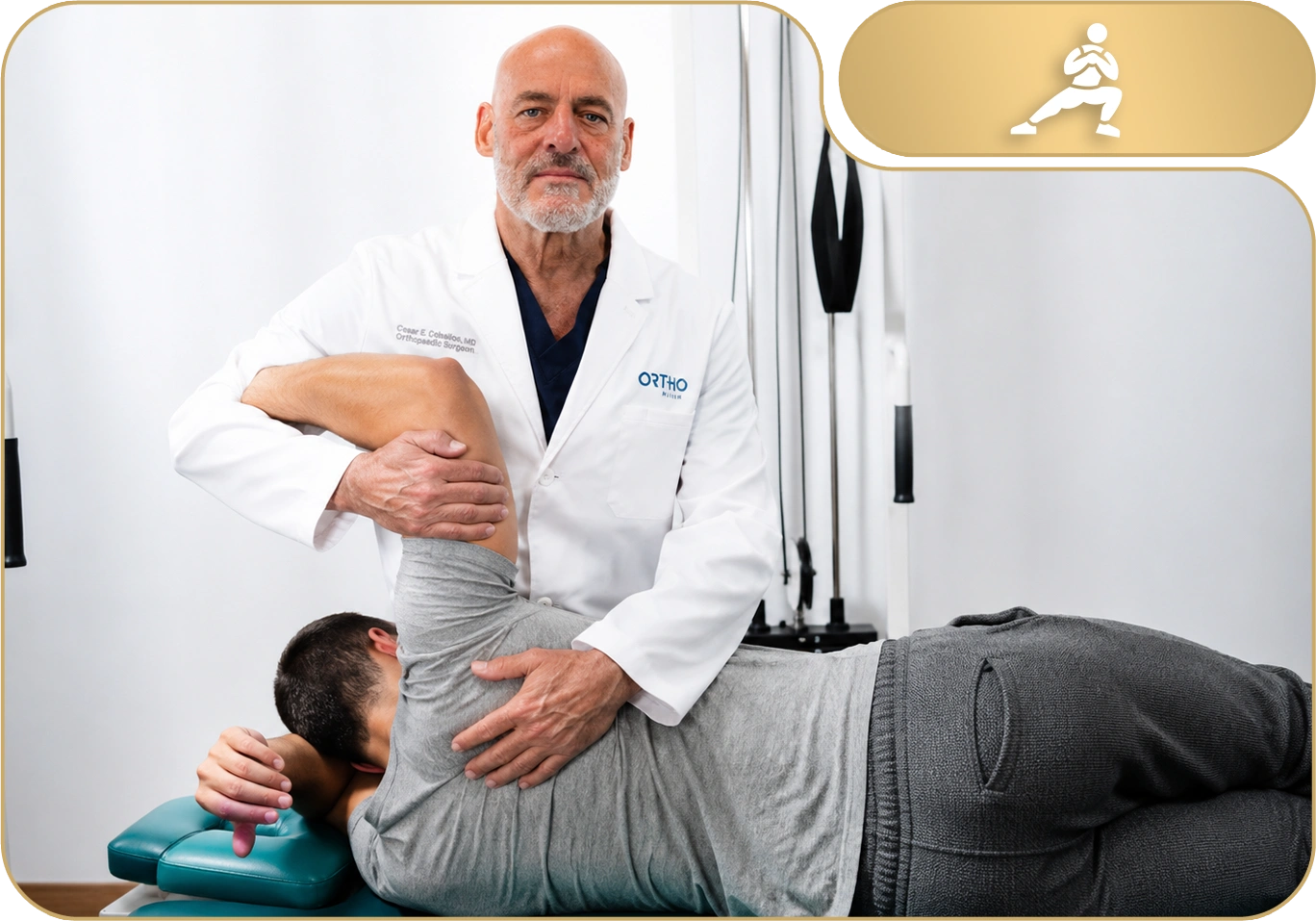
PREVENTIVE ORTHOPEDICS
Protecting Mobility Before It Needs Protecting
Dr. Ceballos Dual Board-Certified Orthopedic Surgeon & Sports Medicine Specialist
Most of the patients I see in my practice come to me after something has already gone wrong a joint that’s started grinding, a knee that swells after every round of golf, a shoulder that’s quietly lost half its range of motion over a few years without anyone naming it. In almost every one of those cases, the process had been building long before the pain showed up. Preventive orthopedics is my answer to that gap: identifying and addressing degeneration, mechanical imbalance, and injury risk while there’s still the most room to act on it.
This isn’t a wellness program, and it isn’t the same as recovering from an injury you already have. It’s an orthopedic surgeon’s evaluation of where your joints, tendons, and movement mechanics actually stand today and a deliberate plan for keeping them working well for years, not just until the next flare-up.
PREVENTIVE ORTHOPEDICS
Why Early Matters More Than Most Patients Realize
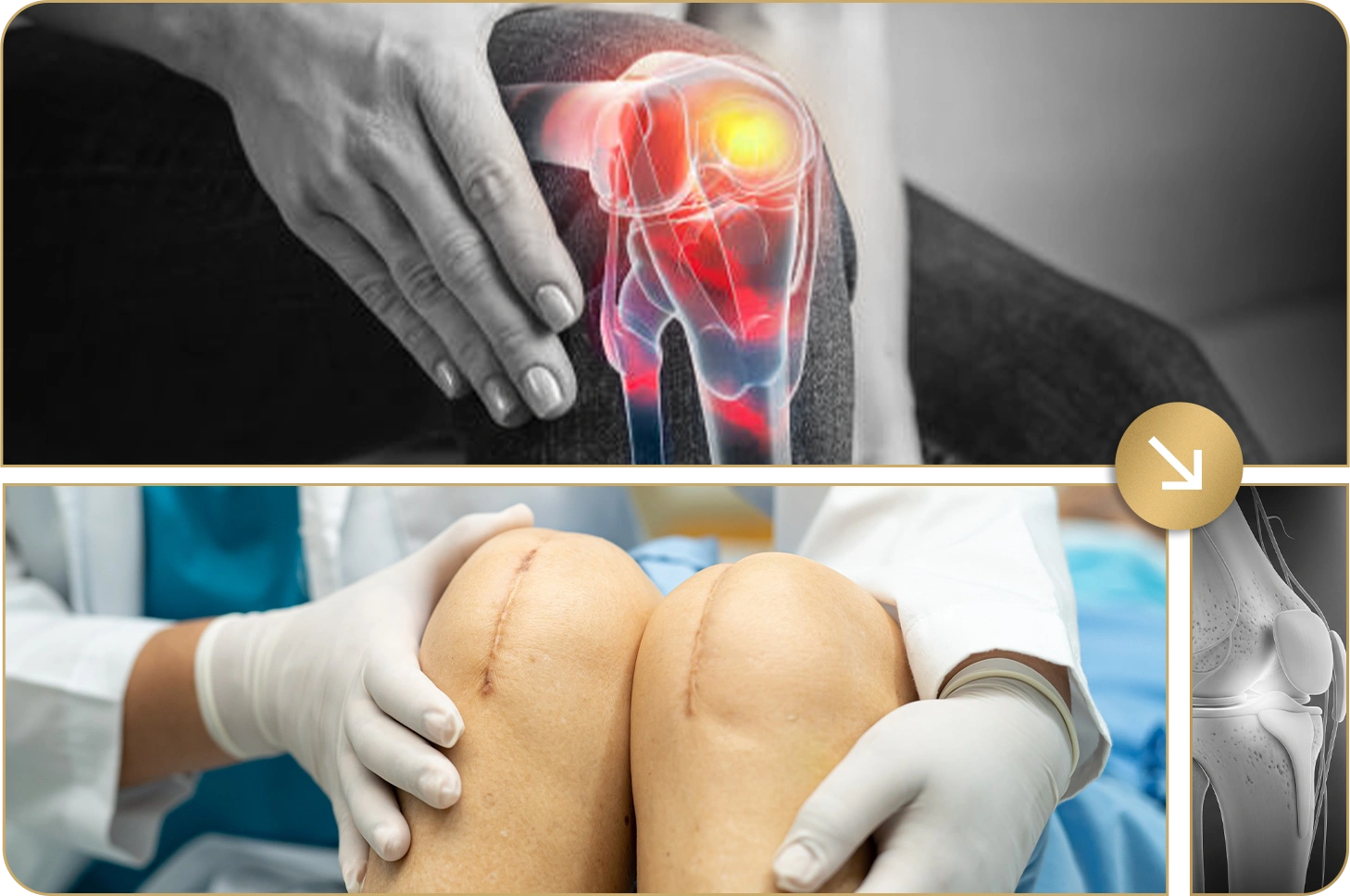
Cartilage doesn’t send a clear warning before it starts to wear. Tendons don’t hurt until the damage inside them has already accumulated. By the time a joint is symptomatic enough to bring someone into an orthopedic office, the degeneration behind it has often been progressing for years. Preventive orthopedics starts the conversation earlier while the findings are still subtle, and while there are still more tools available to slow or redirect what’s happening.
This is the same diagnose-precisely, treat-early thinking that runs through everything else I do it’s simply applied before an injury forces the issue, instead of after.
What Preventive Orthopedics Looks Like In My Practice

Early Identification of Orthopedic Degeneration
A structured evaluation of the joints most likely to be under strain, based on your activity history, prior injuries, and family history looking for the earliest signs of cartilage wear, tendon changes, or mechanical imbalance before they become symptomatic.

Musculoskeletal Longevity Evaluations
Injury-Risk Reduction
Identifying the specific mechanical patterns imbalances, compensations, prior-injury asymmetries most likely to lead to the next overuse injury or acute tear, and addressing them directly rather than waiting for that injury to happen.

Strength, Mobility & Movement Assessment
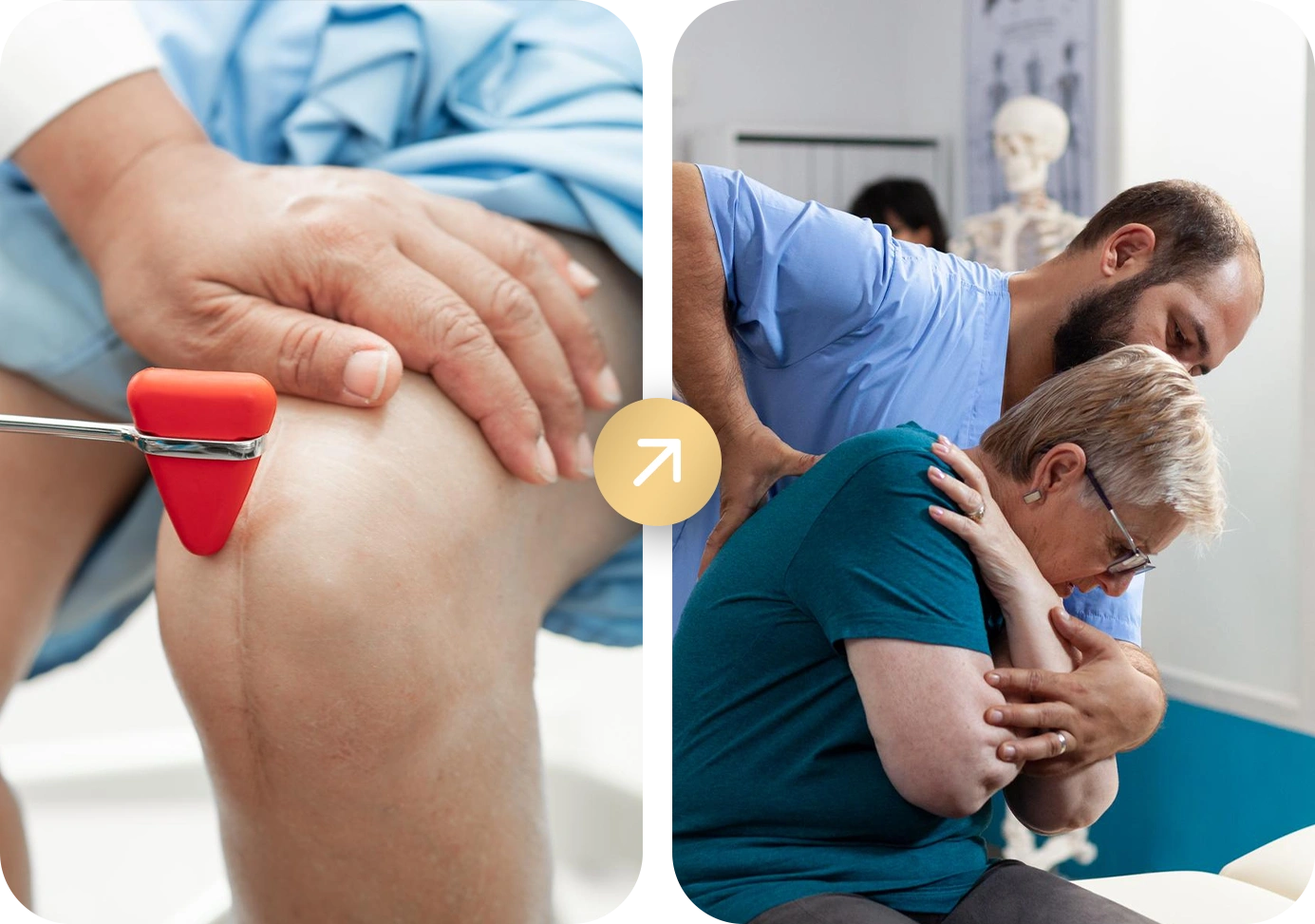
A hands-on look at how you actually move strength symmetry between limbs, joint mobility, and movement patterns under load to catch the compensations that don’t show up on an X-ray or MRI but reliably predict future problems.
Joint-Health Optimization

Recovery & Nutrition Considerations
How sleep, recovery habits, and nutrition support or work against joint and tendon health, discussed as part of an overall plan rather than as a separate wellness track.
Preventive Care for Aging, Active Patients
A large share of the patients I see for preventive orthopedics aren’t young athletes they’re active adults in their 40s, 50s, 60s, and beyond who have no intention of slowing down and want an honest, proactive read on their joints before something forces the issue. The same evaluation applies: where is degeneration starting, what’s the current mechanical picture, and what can reasonably be done now to protect the years of activity still ahead.
For patients who want a more structured, formal proactive evaluation program movement testing, baseline strength and asymmetry benchmarking, and ongoing performance tracking that deeper evaluation lives under Performance Medicine. Preventive Orthopedics is the broader, ongoing relationship; Performance Medicine is the structured program within it for patients who want that level of detail.
Who This Is For

- Active adults with a family history of osteoarthritis or joint problems who want an honest baseline rather than waiting to find out the hard way
- Former athletes and lifelong active people who want to keep training and competing without a preventable setback
- Patients with suspected meniscus tears, cartilage lesions, or loose bodies who may be candidates for in-office treatment
- Patients with early, mild joint symptoms who want to understand what's actually happening before it progresses
- Anyone who has watched a family member need a joint replacement and wants to know what's realistically avoidable
- Patients already engaged in Joint Preservation or Sports Medicine care who want a proactive plan for the joints that aren't yet a problem
How I Can Help

Important Disclosure
Preventive Orthopedics
Frequently Asked Questions
No. Preventive orthopedics is specifically for patients who don’t currently have significant symptoms but want an honest, proactive look at their joint health and injury risk before something develops.
Preventive Orthopedics is the broader, ongoing philosophy of catching degeneration and injury risk early. Performance Medicine is the more structured, formal evaluation program within that philosophy built around detailed movement testing and benchmarking for patients who want that level of depth.
Not automatically. Orthobiologics are only recommended when your evaluation shows a specific finding that supports it this isn’t a program built around preventive injections for joints that aren’t showing a problem.
Then we talk through it directly what it means, how quickly it needs attention, and what the realistic options are, from activity modification to biologic support to, if it’s genuinely warranted, a surgical conversation.
No. Many of the patients I see for this are active adults with no athletic background who simply want to protect their mobility for the years ahead, often after watching a parent or family member go through a joint replacement.
It depends on your risk factors, age, and activity level I’ll recommend a monitoring interval after your first evaluation rather than applying a one-size-fits-all schedule.