Pediatric & Adolescent ACL Treatment (Cross Bracing)
- Home
- /
- Pediatric & Adolescent ACL Treatment (Cross Bracing)
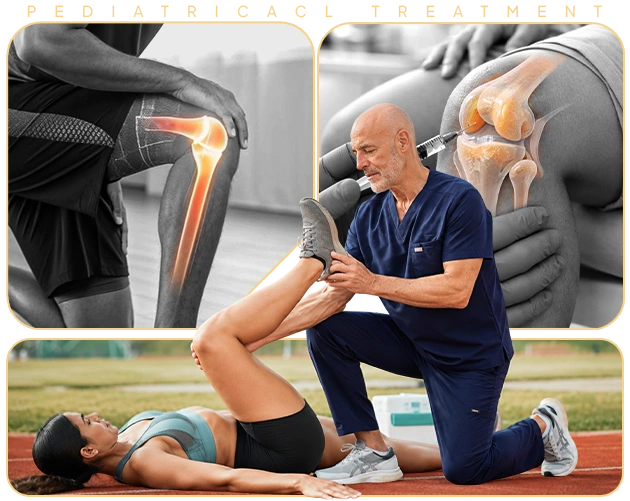
PEDIATRIC & ADOLESCENT ACL TREATMENT
The Cross Bracing Protocol - Preserving the Native ACL in Growing Athletes
Dr. Ceballos Dual Board-Certified Orthopedic Surgeon & Sports Medicine Specialist
An ACL tear is frightening for any athlete, but it raises a different set of questions when the patient is still growing. Standard ACL reconstruction techniques are built around a fully mature skeleton, and using them in a child or young adolescent with open growth plates carries a real risk of disrupting future growth. For years, the default answer was to wait brace and rehab until the growth plates closed, then reconstruct. I offer a different option for the right patients: a pediatric-modified Cross Bracing Protocol designed to let the native ACL heal in place.
This isn’t the right path for every young athlete with an ACL injury, and I’ll tell you directly if it isn’t. But for patients who are candidates, treated early, preserving the ligament you were born with rather than defaulting straight to reconstruction can be the better first option.
What the Cross Bracing Protocol Is
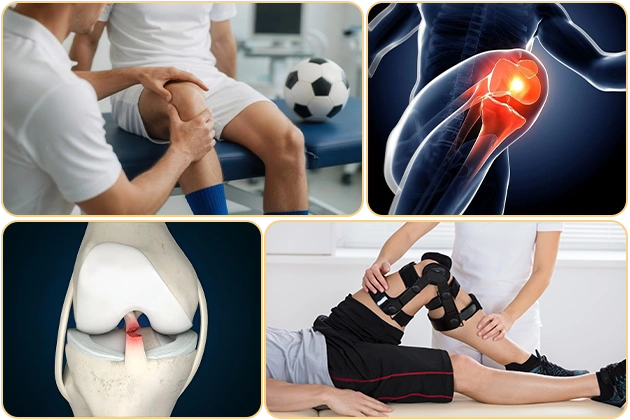
The Cross Bracing Protocol is a non-operative treatment that positions the knee in a specific, deep-flexed brace configuration designed to bring the torn ends of the ACL into contact with each other, creating the mechanical environment for the ligament to heal on its own similar to how other ligament injuries in the body are allowed to heal in place. I’ve adapted this protocol specifically for pediatric and adolescent patients, augmenting it with orthobiologics where appropriate to support the healing process.
Candidacy: Open Growth Plates and Early Timing
Two factors determine whether cross bracing is a realistic option: open growth plates, confirmed on imaging, and how soon after the injury you’re evaluated. This protocol works best when started early ideally within 1 to 2 weeks of the injury before the torn ligament ends have had time to retract or scar in a position that makes healing in place unlikely. A full exam and MRI at the time of evaluation determine whether your child is a candidate.
The Bracing Process and Monitoring
Once a patient is confirmed as a candidate, the brace is fitted to hold the knee in the specific flexed position the protocol requires, with a structured schedule for brace wear, gradual range-of-motion progression, and follow-up visits to track healing. This requires real commitment from the family the brace and the protocol only work if it’s followed as prescribed and I walk every family through exactly what that commitment looks like before starting.

Role of Orthobiologics as an Adjunct
For appropriately selected patients, orthobiologics typically PRP can be used alongside the Cross Bracing Protocol to support the ligament’s healing environment. This is used as an adjunct to the bracing protocol, not a substitute for it, and the decision to add it is based on the specific injury and healing progression, not applied routinely to every patient.
Non-Operative Preservation Versus ACL Reconstruction
Preserving the native ACL, when it’s a realistic option, has real potential advantages for a growing athlete: no disruption to open growth plates, no graft-related considerations, and a native ligament with its original proprioceptive function intact. Reconstruction remains an excellent, well-established option including delayed reconstruction after growth plates close, if the native ligament ultimately doesn’t heal sufficiently. This isn’t preservation instead of reconstruction forever; it’s preservation first, with reconstruction still available if it’s needed later.
Monitoring Healing With Follow-Up Imaging
Healing under the Cross Bracing Protocol is tracked with scheduled follow-up MRIs, not just a clinical exam, so the decision to continue, adjust, or transition to a different treatment plan is based on what the ligament is actually doing not an assumption based on how the knee feels.
When Reconstruction Remains the Right Choice
Not every ACL injury in a young athlete is a candidate for this protocol, and not every patient who starts it heals sufficiently to avoid surgery. When the imaging, the timing, or the healing progression doesn’t support non-operative treatment, I’ll say so directly and move forward with a reconstruction plan appropriate for your child’s age and growth status preservation-first doesn’t mean reconstruction is off the table if it’s genuinely needed.

Guidance for Parents and Families
This is as much a decision for the family as it is a medical one. I spend real time with parents walking through what candidacy actually means, what the bracing commitment involves day to day, what the follow-up schedule looks like, and what happens if the protocol doesn’t fully succeed. The goal is for your family to make this decision with a full, honest picture not a sales pitch for one option over another.
Who This Is For
- Children and adolescents with a confirmed ACL tear and open growth plates on imaging
- Families evaluated within 1–2 weeks of the injury, or as soon after as possible
- Young athletes and families who want the non-operative option genuinely explored, not skipped straight to surgery
- Families able to commit to the bracing schedule and structured follow-up the protocol requires
How I Can Help
This is a pediatric-modified protocol I developed specifically to extend joint-preservation thinking to growing athletes, augmented with orthobiologics where appropriate. Because I manage the evaluation, the bracing protocol, the biologic augmentation, and if it’s ultimately needed the reconstruction, your family isn’t navigating this across multiple disconnected providers.

Important Disclosure
Pediatric & Adolescent ACL Treatment — Cross Bracing
Frequently Asked Questions
It depends primarily on whether the growth plates are still open, confirmed on imaging, and how soon after the injury we’re able to evaluate and start treatment. I’ll give you a direct answer after exam and MRI, not a general estimate.
The protocol works by bringing the torn ligament ends into contact so they can heal. The sooner treatment starts ideally within 1 to 2 weeks of injury the more likely the ligament ends are still in a position where that’s realistic.
We’ll know from follow-up MRI, not guesswork. If healing isn’t sufficient, ACL reconstruction remains an excellent option, and we’ll move forward with a plan appropriate for your child’s age and growth status.
No the brace and protocol require a structured period without sports participation while the ligament heals. I’ll walk you through the specific timeline and what the return-to-sport pathway looks like.
Cross bracing for ACL injuries is a developing but increasingly studied approach, and I’ve adapted the protocol specifically for pediatric and adolescent patients. I’ll discuss the current evidence honestly, including its limitations, as part of your family’s decision.
That’s a reasonable choice for many families, and reconstruction remains an excellent, well-established treatment. I’ll help you weigh both paths honestly rather than pushing one option.