Dr. Ceballos Dual Board-Certified Orthopedic Surgeon & Sports Medicine Specialist
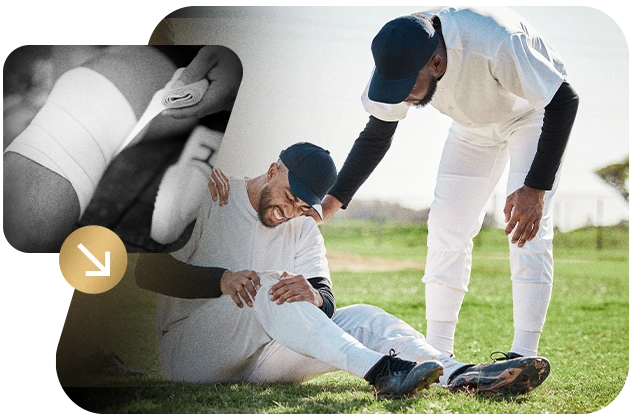
Baseball asks more of the shoulder and elbow than almost any other sport. The repetitive, high-velocity, single-direction load of throwing produces injury patterns that generic sports medicine care doesn’t always catch early and that require a specific, throwing-informed approach to treat and rehabilitate correctly. That’s what the OrthoMiami Baseball Performance Center™ is built around.
Whether you’re a Little Leaguer with early elbow pain, a high school pitcher managing a UCL sprain, or a collegiate or professional player coming back from a throwing injury, the evaluation starts the same way: an accurate diagnosis of what’s actually happening in the shoulder or elbow, followed by a treatment and return-to-throw plan built around the specific demands of pitching or throwing not a generic shoulder or elbow protocol.
Ulnar collateral ligament injuries range from mild sprains that respond to rest, structured rehabilitation, and biologic augmentation, to complete tears that require reconstruction. Grading the injury accurately through exam and imaging is the single most important step in setting realistic expectations for a throwing athlete’s timeline, and it’s where I start with every UCL evaluation.

Young, still-growing throwers are vulnerable to a distinct set of overuse injuries at the growth plate Little League shoulder and Little League elbow that don’t show up the same way in a skeletally mature athlete. Catching these early, and adjusting throwing volume and mechanics before they progress, is central to protecting a young pitcher’s long-term arm health.
The repetitive overhead motion of throwing places unique stress on the labrum and rotator cuff, producing injury patterns including internal impingement and SLAP tears that differ from the shoulder injuries seen in non-throwing athletes. Treatment accounts for the throwing motion itself, not just the structural injury in isolation.

Getting back to throwing isn’t a single clearance decision it’s a structured, staged progression: from long toss, to mound work, to game-intensity pitching, with pitch-count and rest guidelines built around your age, position, and injury history. I coordinate this progression with your coach or athletic trainer where applicable, so the plan holds up once you’re back on the team.

For appropriately selected UCL sprains, tendon injuries, and select labral or rotator cuff pathology, PRP or other orthobiologics can be used to support the healing environment alongside a structured rehabilitation plan. This is a case-by-case decision based on the grade of injury, not a routine add-on full detail on how these therapies are dosed and delivered lives on the PRP Therapy page.

The OrthoMiami Baseball Performance Center™ treats throwing athletes at every level, and the coordination needs change with the level of competition growth-plate awareness and long-term arm-health planning for youth players, recruiting and eligibility considerations for high school and collegiate athletes, and close coordination with team medical staff for professional players.

UCL and shoulder injuries carry real consequences for a throwing career, and a second opinion before committing to surgery particularly UCL reconstruction is a common and reasonable step. I offer focused second-opinion consultations, including review of prior imaging and records, for throwing athletes weighing that decision.
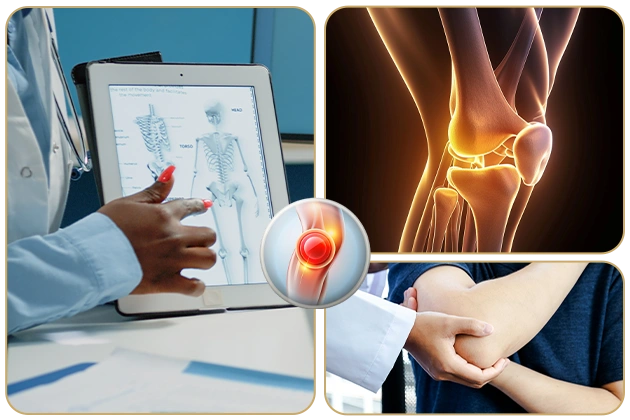
Beyond injury treatment, the Baseball Performance Center connects throwing athletes with the broader tools available across the practice movement and mechanics assessment, proactive evaluation for players who haven’t been injured yet, and the same physician-directed philosophy that runs through every page on this site, focused specifically on the demands of baseball.
Because I perform the evaluation, the biologic treatments, and, when necessary, the surgical repair myself, a throwing athlete’s care at the Baseball Performance Center isn’t split between a surgeon who doesn’t know baseball and a throwing coach who isn’t medically trained. One relationship manages the diagnosis, the treatment, and the return-to-throw plan.

Treatment plans for throwing injuries, including orthobiologic therapies referenced on this page, are individualized based on a comprehensive evaluation. Some biologic therapies are investigational and not FDA-approved for specific orthopedic indications; full disclosures are provided on the relevant treatment pages. Return-to-throw timelines vary by injury, age, and individual, and cannot be guaranteed. A physician-patient relationship is established only after consultation and informed consent.
Elbow or shoulder pain in a young pitcher is worth evaluating promptly rather than waiting it out. Growth-plate injuries like Little League elbow respond well to early identification and adjusted throwing volume, but can progress if ignored.
No. Many UCL sprains are partial injuries that respond to rest, rehabilitation, and, in select cases, biologic augmentation. Reconstruction is reserved for more complete tears or injuries that don’t respond to nonoperative treatment an accurate grading of the injury is what determines the path.
It’s based on your age, position, injury history, and stage in a return-to-throw progression, generally following established youth and adolescent throwing guidelines, adjusted for your specific situation.
Yes, where applicable particularly for high school, collegiate, and professional athletes. Coordinated communication between your treating physician and your team’s staff generally produces a smoother, safer return to throwing.
Yes. Sports Medicine covers the full range of sports injuries across all sports. This page is a baseball- and throwing-specific program built around the unique demands pitching and throwing place on the shoulder and elbow.